
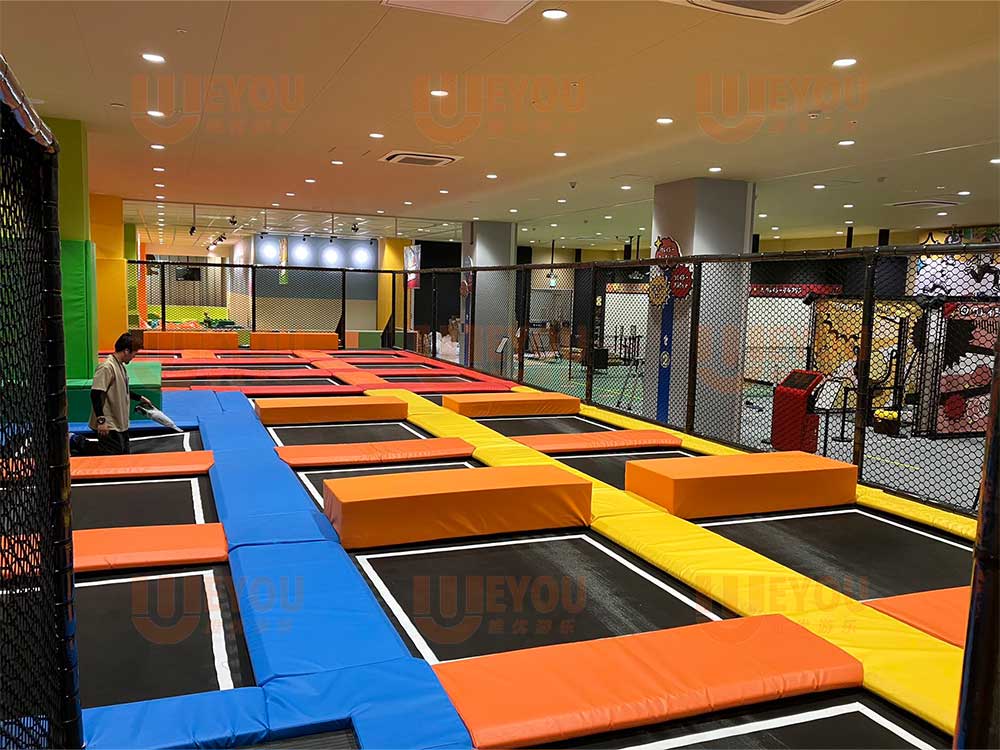
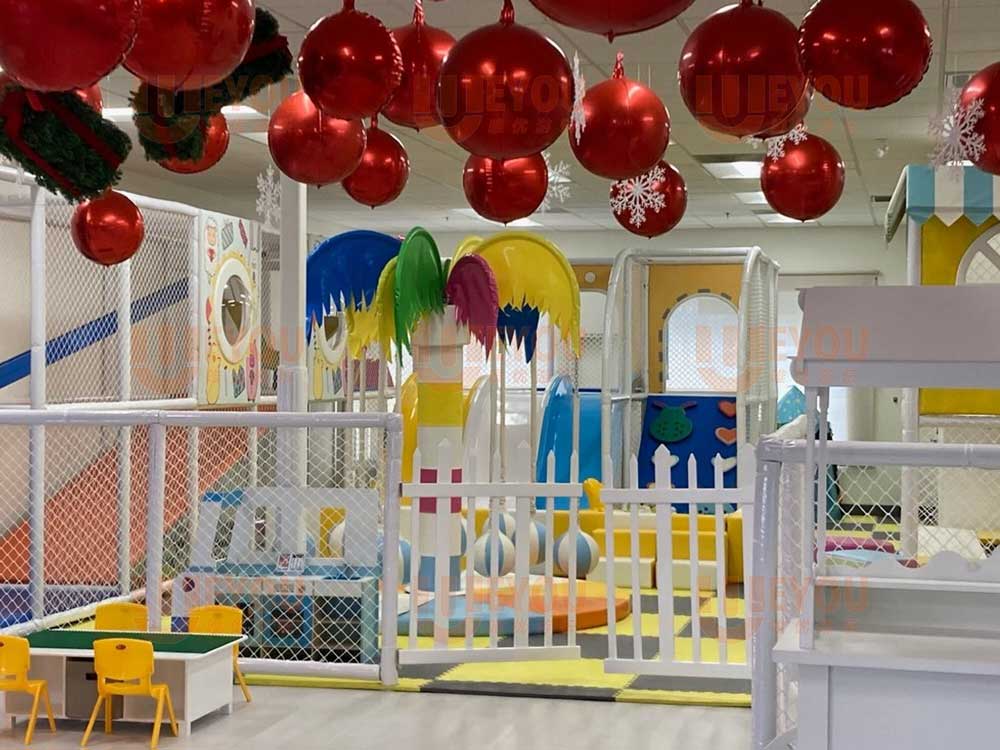
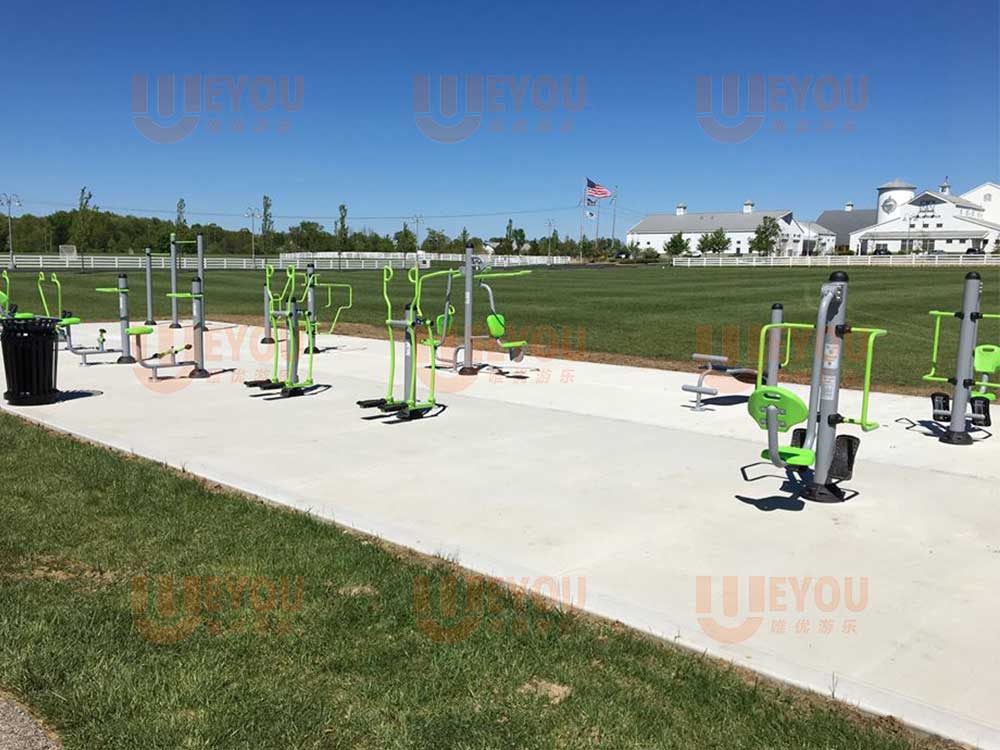
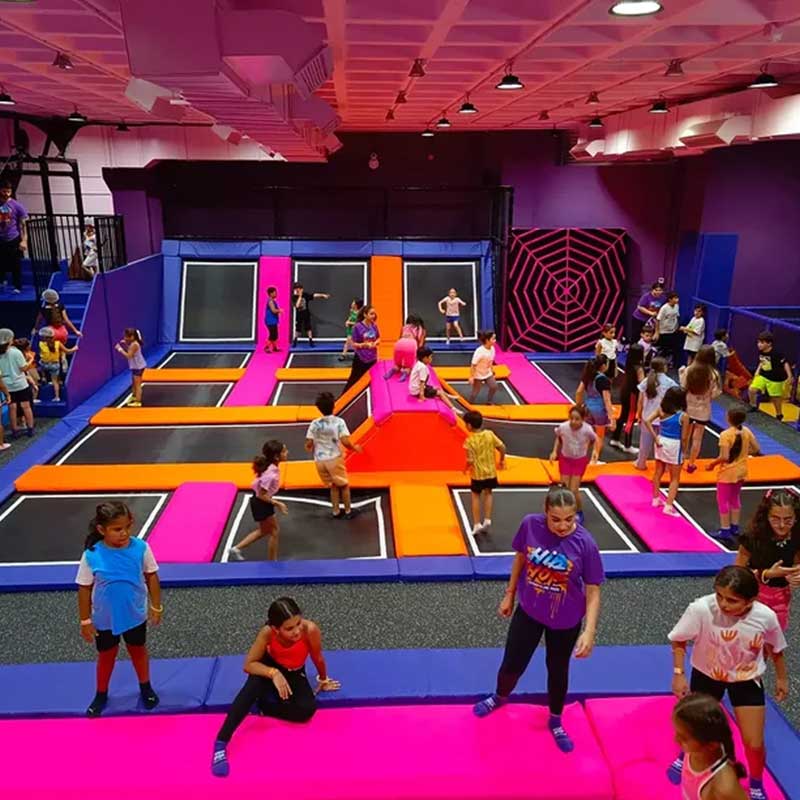

Outdoor playgrounds are essential facilities for residential communities, kindergartens, public parks, and tourism attractions. They directly affect children’s safety, user experience, and long-term maintenance costs.
When purchasing outdoor playground equipment, many buyers often make common mistakes such as focusing too much on appearance while ignoring safety, or choosing the lowest price while overlooking quality. These decisions may lead to problems such as early rusting, cracking, safety risks, failed inspections, and expensive maintenance costs.
There is no absolute answer that “the most expensive playground is the best.” The best choice is the equipment that offers the right balance of: suitable application,safety compliance,durable materials,reasonable cost performance
The key to selecting outdoor playground equipment is finding the right balance between safety, durability, and fun, while meeting the needs of the target children.
1. Accurate Planning Before Purchasing: Define Your Needs, Site, and Users
The most important step before purchasing playground equipment is not choosing attractive designs, but understanding your actual site conditions and user requirements.
Poor planning can easily result in wasted space, unused equipment, or potential safety hazards.
1.1 Evaluate Your Site Conditions
Before selecting equipment, carefully measure:
- Playground length and width
- Total available area
- Visitor flow areas
Every playground structure requires a proper fall protection zone. Equipment should never be installed too close to walls, fences, trees, buildings, or hard surfaces without sufficient safety space.
The local climate should also influence equipment selection:
Coastal and High-Humidity Areas
For seaside locations, waterfront areas, and regions with heavy rainfall, choose materials with excellent corrosion resistance, such as stainless steel or high-quality galvanized steel.
Hot and Sunny Regions:
For areas with strong sunlight and high temperatures, focus on:
- UV-resistant materials
- Anti-aging plastic components
- Weather-resistant coatings
Dry Inland Areas:
Standard commercial playground materials can usually meet requirements when properly maintained.
Choosing the right materials according to the environment can significantly extend the playground’s service life.
1.2 Select Equipment According to Children’s Age Groups
Children of different ages have very different physical abilities, interests, and safety requirements. Playground equipment should always be selected according to the target age group.
Ages 3–6: Preschool and Young Children
Recommended equipment:
- Small combination playgrounds
- Low-height slides
- Cartoon spring riders
- Balance training equipment
High platforms, complicated climbing systems, and narrow passages should be avoided.
Ages 6–12: School-Age Children
Older children require more challenging and interactive activities.Recommended equipment:
- Multi-functional playground towers
- Large climbing nets
- Group swings
- Rotating playground equipment
2. Choosing Durable Materials: The Key to Long-Term Outdoor Performance
The majority of playground problems, including rust, cracking, fading, and structural damage, are caused by poor-quality materials.
2.1 Hot-Dip Galvanized Steel
For most outdoor playground projects, hot-dip galvanized steel is the preferred choice.Recommended specifications:
- Zinc coating thickness: ≥80μm
- Outdoor powder coating finish
- Strong corrosion resistance
With proper manufacturing, galvanized steel playground equipment can typically last:8–12 years outdoors,without serious rusting or paint peeling.
2.2 Stainless Steel for Harsh Environments
304 stainless steel structures are recommended.They provide excellent corrosion resistance and significantly reduce maintenance requirements.For:
- Coastal areas
- Water parks
- Waterfront playgrounds
- High salt environments
Avoid Ordinary Painted Black Steel Pipes,This results in higher replacement and maintenance costs within only 2–3 years.
2.3 Plastic Playground Components
Components should use high-quality LLDPE rotational molding materials,Recommended features:
- Temperature resistance
- UV-resistant additives
- Anti-aging properties
Low-quality recycled plastic or thin injection-molded parts may become cracked after prolonged outdoor exposure, creating safety risks.
2.4 Climbing Rope Net Materials
For frequently used climbing structures, high-quality rope systems are essential.Recommended:
- Steel wire reinforced marine rope
- Stainless steel connectors
- Strong casting joints
Professional rope systems can last 8 years or more with proper use.
2.5 Wooden Playground Materials
High-quality wood materials are recommended.Preferred options: ACQ pressure-treated wood and deep carbonized wood,Low-cost untreated wood often requires frequent painting and maintenance and is not suitable for high-frequency public playgrounds.
3.Match Equipment to Different Applications
Different locations have different users, traffic levels, and functional requirements. Proper equipment combinations improve both play value and investment efficiency.
3.1 Kindergartens: safety first, recommended: small playground structures,cartoon spring riders,balance training equipment,sand and water play areas.Avoid: large climbing structures,high platforms,high-speed rotating equipment.
3.2 Residential Communities: all-Age and high-durability design,popular combinations: multi-functional playground towers,group swings,rotating seesaws,small climbing structures.
3.3 Public Parks: inclusive and functional,public parks should focus on:all-age accessibility,physical development,social interaction.Recommended: large adventure playgrounds,climbing nets,interactive play equipment,inclusive playground facilities,these designs support different age groups and meet public recreation requirements.
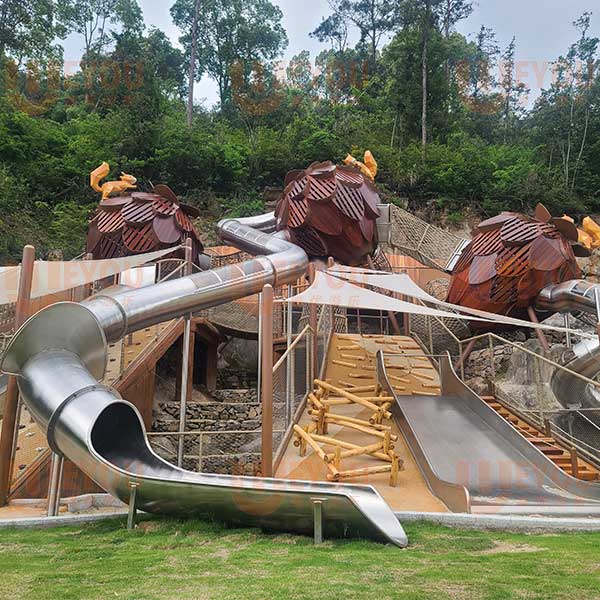
3.4 Tourist Attractions and Theme Parks: Unique and Attractive Design.Tourism projects require stronger visual appeal and uniqueness.Recommended: custom themed playgrounds,stainless steel slides,large rope structures.A well-designed playground can become a landmark attraction and increase visitor engagement.
4. Common Mistakes to Avoid When Purchasing Playground Equipment
- Do Not Focus Only on Appearance and Price
- Never Reduce Safety Areas
- Avoid Poor-Quality Materials
- Never Skip Safety Flooring
- Consider Local Climate Conditions
Conclusion:
Choosing outdoor playground equipment requires a clear purchasing strategy:Safety first, application-focused design, durable materials, and reliable after-sales support.Instead of simply comparing prices or choosing based on appearance, buyers should consider:
- International safety standards
- Site conditions
- Target users
- Material quality
With proper planning and professional supplier support, you can create an outdoor playground that is: safe,durable,fun,cost-effective,while maximizing the long-term value of your investment.